

Skin cancer found early, excised completely, and repaired with honest expectations.
The skin cancer and skin lesion surgery service of Chongqing West District Hospital assesses suspicious lesions with dermoscopy and biopsy, removes skin cancers with margin control, and repairs the resulting defect — from actinic keratosis and Bowen disease to basal cell carcinoma, squamous cell carcinoma, melanoma and benign lumps — backed by the pathology, anesthesia and intensive-care resources of a tertiary general hospital.
Clearance before appearance, pathology on every specimen, and long-term surveillance after treatment.
- Evidence-based care
- Clearance before appearance
- Honest risk and outlook discussions
- Tertiary-hospital safety net
Diagnosis first, then clearance, then repair
Every suspicious lesion follows the same three steps, in the same order, whatever it turns out to be.
Assess & diagnose
Structured examination of the whole skin surface, dermoscopy of anything suspicious, and a biopsy when the diagnosis is uncertain. The pathology report names the tumour, measures its depth and states whether the margins are clear — and those details, not appearances, decide what happens next.
Excise with margin control
Excision takes the tumour with a measured rim of normal-looking skin chosen by diagnosis and risk. High-risk sites and aggressive subtypes may need margin-controlled serial excision. There is no operation that removes a cancer and guarantees a small scar at the same time; clearance comes first.
Repair & surveil
Repair follows the defect, from healing by second intention and direct closure to grafts and flaps. Scars are permanent and mature over twelve to eighteen months. After treatment, follow-up watches for recurrence, for new primary tumours, and — in higher-risk disease — for spread to lymph nodes.
Specialists in skin cancer surgery and skin repair
The leadership team of the Plastic Surgery & Aesthetics Medical Center brings together plastic and reconstructive surgery, aesthetic surgery, skin and laser care, and dermatology, with the full resources of a tertiary general hospital behind every excision.
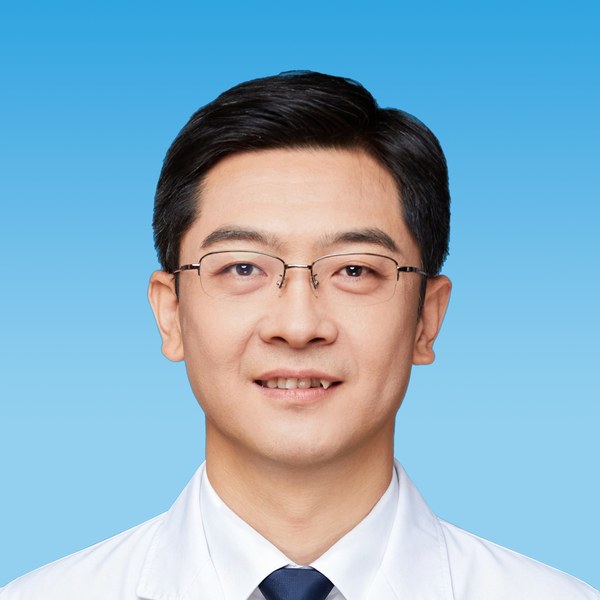
Shaoliang Wang, MD (王韶亮)
Skin Cancer & Lesion Surgery · Center Director
Center Director and lead physician of this site’s skin cancer content; surgical removal of skin tumours with margin control and layered reconstruction, excision of moles, cysts and superficial lesions, and complex wound repair, with 20+ years of tertiary-hospital surgical experience.
View profile →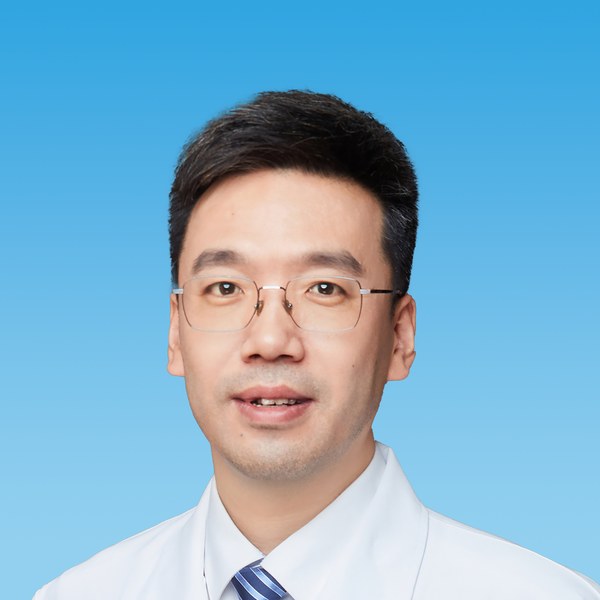
Tongchun Mao, MD (毛彤春)
Aesthetic Surgery · Deputy Director
Deputy Director and head of aesthetic surgery; detailed facial-feature repair and aesthetic closure principles applied to tumour excisions, so that a repair after skin cancer removal settles as a fine line wherever the site allows.
View profile →
Ke He, MD (何锞)
Skin & Laser Aesthetics · Deputy Director
Head of skin and laser aesthetics; leads scar prevention after skin cancer excision and laser management of redness, thickness and pigment in healing scars and grafts, with 20+ years of laser experience.
View profile →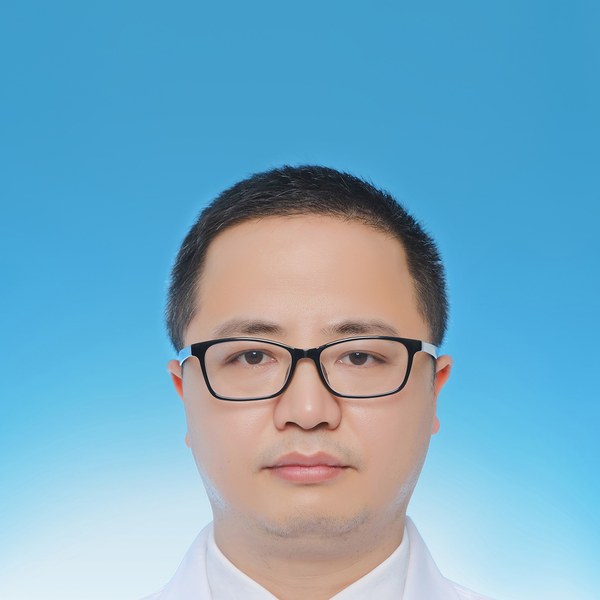
Yongbo Jia, MD (贾勇波)
Dermatology · Deputy Director
Head of dermatology; assessment and triage of changing moles and suspected skin tumours, preoperative skin assessment, and the dermatologic aftercare that healing skin and scars depend on — trained at the Institute of Dermatology, Chinese Academy of Medical Sciences.
View profile →Skin cancer, explained honestly
Start with the basics: what each diagnosis means, how a lesion is assessed, what excision costs in scars and recovery, the risks worth knowing, and what surveillance afterwards really involves.
Skin Cancer: The Main Types and Why Early Recognition Matters
An overview of basal cell carcinoma, cutaneous squamous cell carcinoma and melanoma: who is at risk, how the main types differ in behaviour, and why the stage at diagnosis changes everything.
Read the guide →How a Suspicious Lesion Is Assessed
How a clinician works through a suspicious skin lesion: the history and examination, what dermoscopy adds, when a biopsy is warranted, and what the pathology report tells you.
Read the guide →Actinic Keratosis: The Pre-Cancerous Lesion
Actinic keratosis explained: how ultraviolet damage produces these rough scaly patches, how often they progress, and the field treatments used to clear them before they become cancer.
Read the guide →Bowen Disease: Squamous Cell Carcinoma in Situ
Bowen disease is squamous cell carcinoma confined to the epidermis. Why it is treated rather than watched, and how excision, curettage and topical treatments compare.
Read the guide →Basal Cell Carcinoma: The Most Common Skin Cancer
Basal cell carcinoma subtypes, behaviour and treatment: why it destroys locally, why it almost never spreads, and why complete excision still matters.
Read the guide →Cutaneous Squamous Cell Carcinoma
Cutaneous squamous cell carcinoma: the higher-risk features that change management, the transplant-patient question, and what surveillance after treatment involves.
Read the guide →We will not sell you certainty we do not have
No surgeon can promise that a skin cancer will never return, that a scar will be invisible, or that one operation will settle everything. Melanoma thickness and ulceration drive prognosis, and sunscreen reduces risk without eliminating it. Our job is to tell you what the pathology shows, what the operation can achieve, and what it cannot — even when the honest answer is that surveillance matters more than surgery.
Ready to have a skin lesion assessed?
Reach out for a consultation. We will examine the lesion, explain what it is and what the pathology shows, and plan excision, repair and follow-up with you.
Part of Sun Damage and Ageing Skin — 8 sites on this topic